Battle in the Mountains: How Team Tactics Shaped the Vuelta a España Stage 18
The Vuelta a España, one of cycling’s most grueling and prestigious races, is known for its twists and turns, challenging terrain, and unpredictable weather. Stage 18 of the 2023 Vuelta was no exception, providing fans with a roller-coaster of emotions and a display of teamwork and individual brilliance. In this article, we delve into the heart of the race, from the stage’s details to the weather conditions, race highlights, the triumphant stage winner, top performers, team tactics, and the overall impact on the race standings.
The Stage: A Mountainous Beast
The 18th stage of the Vuelta a España was a true test of grit and determination, set against the backdrop of the Asturias region in northern Spain. The riders faced a challenging 169-kilometer route that included five classified climbs, with the daunting Puerto de la Cruz Linares making its Vuelta debut. This 9.8-kilometer ascent, boasting an average gradient of 8.6%, promised to be the ultimate battleground for climbers.
As the riders set out on this mountainous journey, they knew that every pedal stroke would count, and the terrain ahead would separate the contenders from the pretenders.
The Weather: Battling the Elements
The Vuelta a España is notorious for its variable weather conditions, and this stage was no different. The riders had to contend with the whims of the weather, which can have a significant impact on race dynamics. Rain and wind played their part, making the already challenging climbs even more treacherous.
For the cyclists, adapting to these conditions was crucial. The rain-slicked roads demanded exceptional bike-handling skills, and the biting wind added an extra layer of complexity to their calculations. In such conditions, teamwork and experience often became deciding factors.
Race Highlights: A Battleground Unfolds
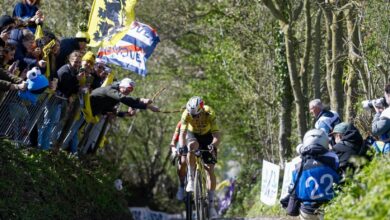
Stage 18 unfolded as a true battleground, with the riders engaged in a constant tug-of-war for supremacy. One of the defining moments of the race came early as a 14-man breakaway formed, led by the remarkable Remco Evenepoel, who was out to prove himself as a climbing force.
The peloton, aware of the threat posed by the breakaway, had to make strategic decisions. Should they chase down the escapees, or should they bide their time and save energy for the grueling final ascent? These choices would have a profound impact on the stage’s outcome.
Stage Winner: Evenepoel’s Solo Triumph
The stage’s defining moment came as Remco Evenepoel, representing Soudal Quick-Step, showcased his climbing prowess with a solo breakaway victory. Evenepoel, already a rising star, claimed his third stage win in this year’s Vuelta a España and simultaneously secured the King of the Mountains classification.
His strength and determination were on full display as he conquered the formidable Puerto de la Cruz Linares climb, leaving his rivals in his wake. With his polka-dot jersey signifying him as the best climber, Evenepoel marked his 50th career win as a professional cyclist, solidifying his status as one of the brightest talents in the sport.
Top Performers: Kuss, Roglič, and Vingegaard
While Evenepoel’s victory took center stage, the performance of Team Jumbo-Visma’s Sepp Kuss and his teammates Primoz Roglič and Jonas Vingegaard was equally noteworthy. These riders demonstrated the power of teamwork and strategic thinking.
Kuss, the current leader of the race, faced a moment of truth on the challenging Angliru climb when he was dropped by Roglič and Vingegaard. This raised questions about the internal dynamics of the team, but those concerns were put to rest in stage 18. Kuss’s teammates rallied around him in the final kilometers, even as other riders launched attacks.
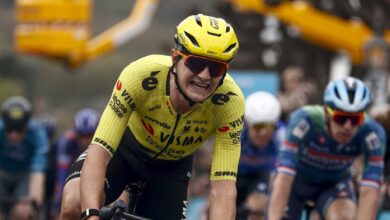
In the nail-biting final sprint for the line, Kuss showcased his strength, distancing both Roglič and Vingegaard. While Roglič managed to bring him back, Vingegaard lost nine crucial seconds to Kuss. This development shifted the dynamics of the overall standings, with the gap between first and second now standing at 17 seconds.
Team Tactics: A Delicate Balance
Team tactics played a pivotal role in stage 18, showcasing the delicate balance between individual aspirations and team objectives. While cycling is often seen as an individual sport, the Vuelta a España exemplifies the importance of teamwork.
Team Jumbo-Visma, led by Kuss, Roglič, and Vingegaard, provided a masterclass in teamwork. Their controlled pace on the final climb, Angliru, demonstrated their commitment to preserving Kuss’s lead. The support Kuss received from his teammates was a testament to the camaraderie that exists within the team.
On the other hand, Remco Evenepoel’s solo breakaway victory highlighted the importance of individual brilliance. His decision to go for a daring solo move showcased his confidence and ambition. Evenepoel’s Soudal Quick-Step team, too, played a crucial role in his success by controlling the race from behind and ensuring he had the opportunity to shine.
Overall Standings: A Shifting Landscape
As stage 18 concluded, it left an indelible mark on the overall standings of the Vuelta a España. Sepp Kuss’s performance not only secured his lead but also widened the gap between him and his closest competitor, Jonas Vingegaard. With just one hilly stage remaining, the 17-second difference set the stage for an intriguing showdown.
The battle for the general classification remained as fierce as ever, with riders constantly jockeying for position. The Vuelta a España, known for its unpredictability, promised no respite in the remaining stages.
Conclusion: A Glimpse of Cycling’s Complexity
Stage 18 of the Vuelta a España served as a microcosm of the sport’s complexity. It showcased the interplay between individual brilliance and teamwork, the impact of changing weather conditions, and the ever-shifting dynamics of the general classification. Sepp Kuss’s performance and Team Jumbo-Visma’s teamwork demonstrated the sport’s multifaceted nature, where strategy and determination are as crucial as physical prowess.
As the Vuelta a España approached its conclusion, one thing was clear: the race was far from over. The final stage promised more drama, more surprises, and more moments that would etch themselves into the annals of cycling history. Whether you’re a seasoned cycling enthusiast or a newcomer to the sport, the Vuelta a España stage 18 served as a compelling reminder of why cycling continues to captivate fans around the world.