How to Protect Your Feet from Cold and Moisture in Winter Cycling
Are you someone who enjoys cycling even in the winter months? If so, you understand the challenges of keeping your feet warm and dry in the cold and wet conditions. That’s why we’ve put together a step-by-step guide to help you protect your precious feet from the harsh elements while enjoying your winter cycling adventures. With our guide, you’ll be able to dress appropriately and ensure your feet stay comfortable and protected throughout your ride.
Top Winter Cycling Apparel Options

Choose insulated cycling shoes or shoe covers
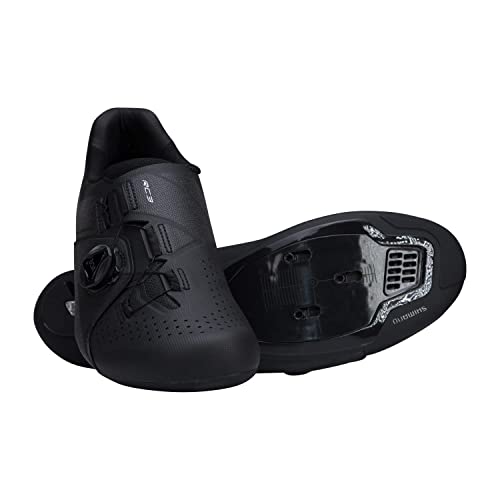
Invest in insulated cycling shoes or shoe covers to keep your feet warm and protected from the cold and moisture. These specially designed shoes or covers provide insulation and water resistance. Insulated cycling shoes are made with materials that have excellent thermal properties, such as neoprene or fleece lining. They have additional layers of insulation in the sole and toe box area to keep your feet warm even in chilly weather. The insulation helps to retain heat generated by your feet, preventing your toes from becoming numb or frostbitten.
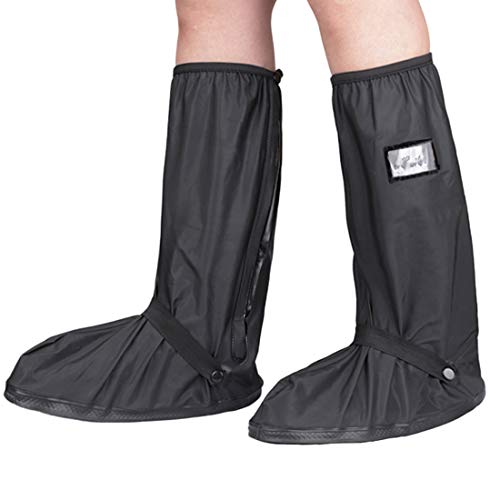
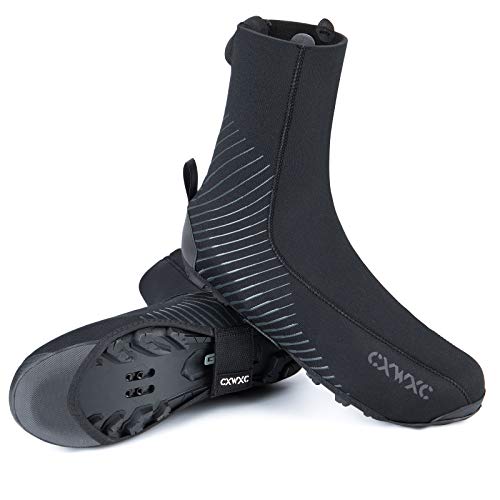
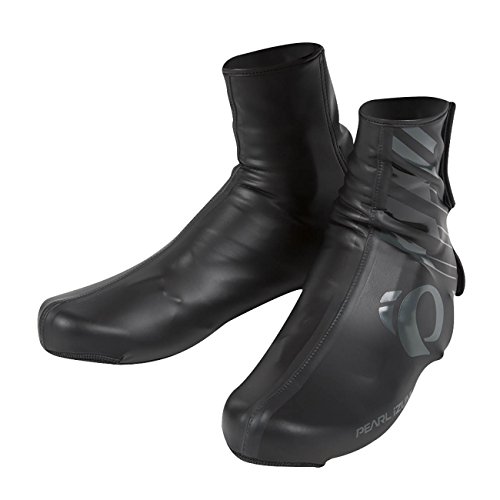
Shoe covers, also known as booties or overshoes, are another great option to protect your feet from the elements. They are typically made from waterproof and windproof materials such as nylon or neoprene. Shoe covers are worn over your regular cycling shoes and provide an extra layer of insulation and protection. They are easy to slip on and off, making them a versatile choice for varying weather conditions. Some shoe covers even come with reflective elements for enhanced visibility during low-light conditions.
To get the most out of your insulated cycling shoes or shoe covers, make sure they fit properly. You don’t want them to be too tight, as this can restrict blood circulation and lead to discomfort. On the other hand, they shouldn’t be too loose, as this can cause rubbing or slipping. Take the time to try on different sizes and styles to find the perfect fit for your feet. Additionally, it’s a good idea to check the weather forecast before your ride. If you expect rain or snow, opt for shoe covers that offer better water resistance. Remember to maintain and care for your insulated footwear by cleaning them regularly and storing them in a dry place. By investing in insulated cycling shoes or shoe covers, you can ensure your feet stay warm, dry, and comfortable throughout your rides in cold weather.

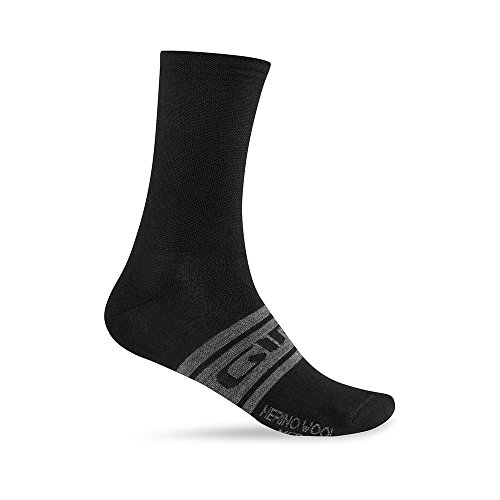
Wear thermal socks
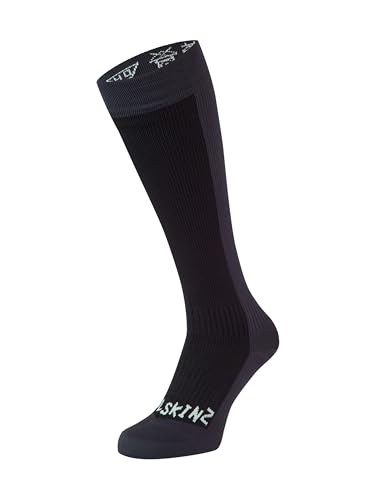
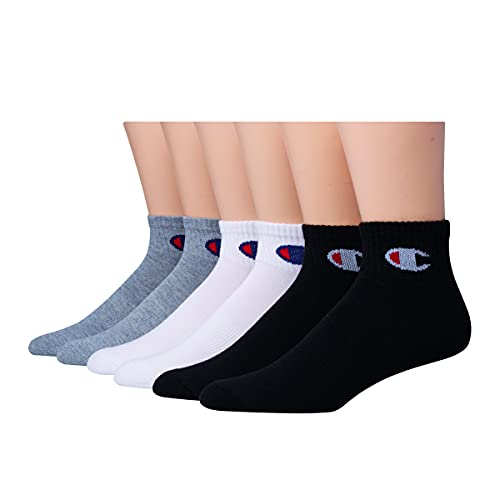
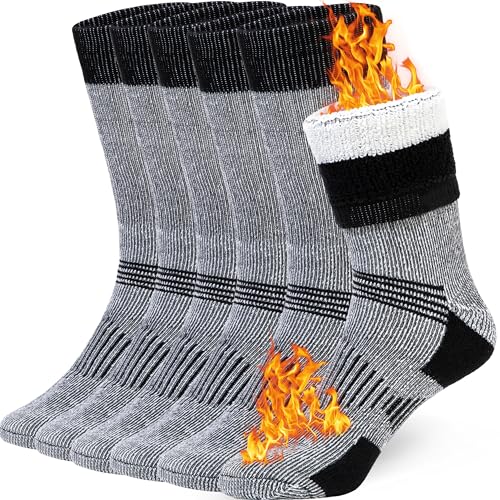
Put on thermal socks made from materials like merino wool or synthetic fibers. These socks offer excellent insulation, moisture-wicking properties, and help keep your feet dry and warm. To start, slide your hand into the sock and gently stretch the opening. Then, carefully insert your foot into the sock, ensuring that your toes are properly aligned with the toe section. Pull the sock up, making sure it fits snugly around your foot and ankle.
For example, if you choose merino wool thermal socks, you’ll experience the natural benefits of this high-quality material. Merino wool is known for its exceptional insulation properties, effectively trapping air and keeping your feet warm in cold weather. Additionally, it has excellent moisture-wicking capabilities, meaning it can absorb and release moisture, allowing your feet to stay dry and comfortable throughout the day.
On the other hand, if you opt for synthetic fiber thermal socks, you’ll benefit from their durability and quick-drying abilities. Synthetic materials like acrylic or polyester can provide excellent insulation while effectively wicking away moisture from your feet. These socks are often designed with special moisture-wicking technology to ensure your feet stay dry, even during intense physical activities.
Regardless of the material you choose, wearing thermal socks is a reliable way to keep your feet warm and comfortable in chilly weather conditions.


Use toe warmers or heated insoles
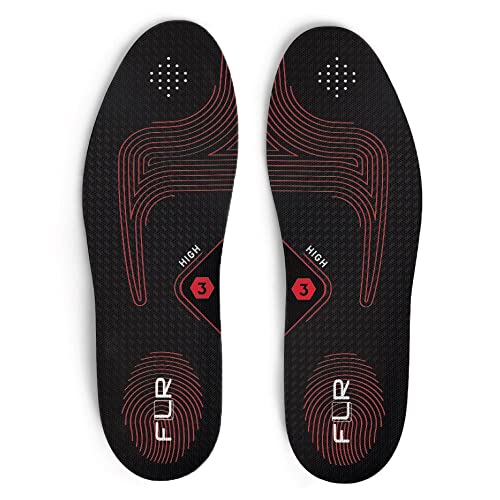
Consider using toe warmers or heated insoles to provide extra warmth. Insert these warmers or insoles into your shoes or attach them to the soles to provide targeted heat to your toes. To use toe warmers, simply peel off the adhesive backing and place them on the top or bottom of your socks, ensuring that the warmer is directly in contact with your toes. Make sure to follow the instructions on the packaging for optimal usage and duration. If you prefer heated insoles, remove the existing insoles from your shoes and replace them with the heated ones. Connect the insoles to a power source or activate the heating mechanism as per the manufacturer’s instructions. Put on your shoes and adjust the temperature setting to your desired level of warmth.
Toe warmers and heated insoles can provide much-needed warmth during cold weather or outdoor activities. They are especially beneficial for individuals with poor circulation or those who are prone to cold feet. These products are easy to use and can provide long-lasting heat, allowing you to enjoy your activities without discomfort. Remember to remove the warmers or turn off the heated insoles when you no longer require the extra warmth to avoid overheating. Stay cozy and keep your toes warm with these convenient solutions.


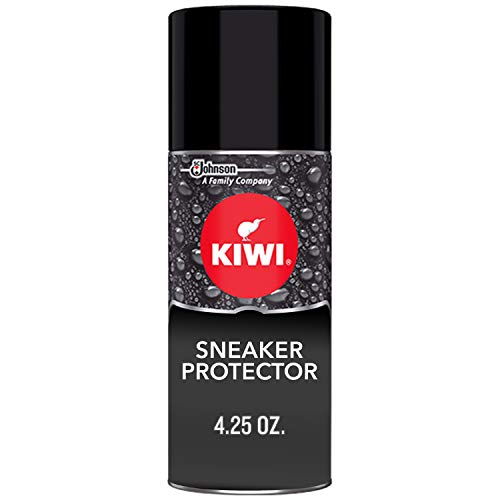
Apply a waterproofing spray
To apply a waterproofing spray to your cycling shoes or shoe covers, start by ensuring that they are clean and dry. Use a gentle brush or damp cloth to remove any dirt or debris, and allow them to air dry completely before proceeding.
Next, shake the waterproofing spray well to mix the ingredients. Hold the spray can approximately 6 to 8 inches away from the shoes or shoe covers, and apply an even coat of the spray. Make sure to cover the entire surface area, including seams and any areas that are prone to water leakage.
Once you have applied the spray, allow it to dry according to the manufacturer’s instructions. This usually takes a few hours, but it’s best to leave them overnight to ensure the spray has fully penetrated the material.
Remember to apply the waterproofing spray in a well-ventilated area or outdoors to avoid inhaling any fumes. Additionally, it’s a good idea to reapply the spray periodically, especially if you frequently ride in wet conditions, to maintain the water resistance of your shoes or shoe covers. With the help of a waterproofing spray, you can enjoy your cycling adventures without worrying about wet and uncomfortable feet.
Consider using shoe covers with reflective elements
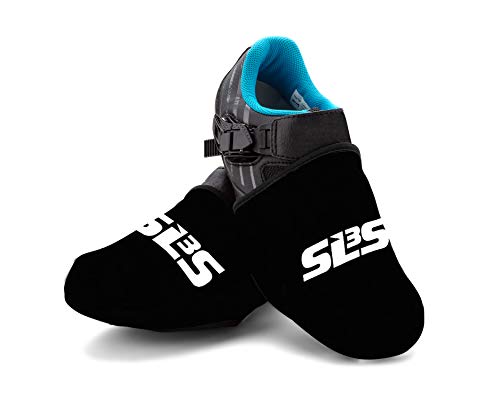
Opt for shoe covers with reflective elements to enhance visibility during low light conditions. These covers are designed with built-in reflective materials that reflect light, making you more noticeable to drivers and pedestrians. By wearing shoe covers with reflective elements, you can significantly reduce the risk of accidents or collisions, especially when you’re out and about during early mornings, late evenings, or in areas with poor lighting.
To ensure maximum visibility, look for shoe covers that have reflective strips or panels strategically placed on the sides or back. These reflective elements will catch the light from car headlights or street lamps, alerting others to your presence. For example, you can find shoe covers with reflective strips running along the heel or across the front, making it easier for drivers to spot you from a distance.
When selecting shoe covers, keep in mind that they should not only provide visibility but also offer protection from cold and moisture. Look for covers made with durable and waterproof materials to keep your shoes dry during rainy or snowy conditions. Additionally, opt for covers that fit snugly over your shoes to prevent them from slipping off or getting caught in your bike pedals.
By choosing shoe covers with reflective elements, you can prioritize your safety while staying comfortable and protected from the elements. Remember, being visible is crucial when sharing the road with other users, and these covers are an excellent addition to your gear for low light conditions.


Wrap Up and Stay Warm
In conclusion, protecting your feet from cold and moisture during winter cycling is crucial for a comfortable and safe ride. By choosing the right insulation, moisture-wicking materials, and waterproofing measures, you can ensure that your feet stay warm and dry throughout your cycling journey. Remember to invest in high-quality socks, shoe covers, and winter-specific footwear to provide optimal protection. Don’t let the cold and wet weather keep you from enjoying your cycling adventures. Take the necessary steps to protect your feet and make the most out of your winter rides. Stay warm, stay dry, and keep pedaling!
Essential Gear



Insulating Footwear Tips
Tips for Avoiding Cold Feet While Cycling
Tips for Staying Warm and Protected During Winter Road Cycling
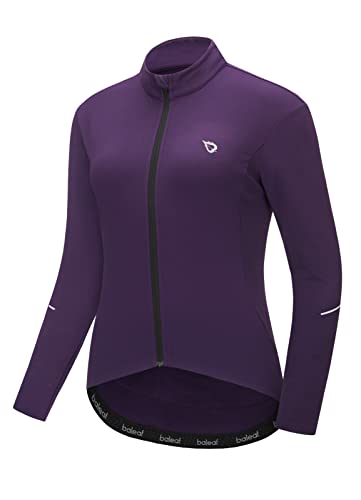
- Layer your clothing: Start with a moisture-wicking base layer to keep sweat away from your body. Add a thermal long-sleeve jersey or jacket for insulation. Top it off with a windproof and water-resistant outer layer
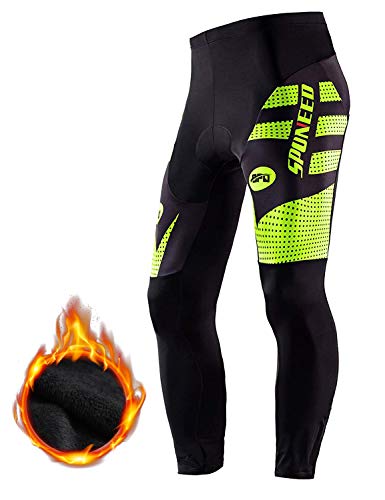
- Wear thermal tights: Opt for a pair of thermal cycling tights to keep your legs warm. Look for ones with windproof panels on the front to protect against the chill
- Protect your extremities: Wear thermal gloves to keep your hands warm. Consider using glove liners for added insulation. Wear windproof and water-resistant shoe covers or thermal socks to protect your feet from cold and wet conditions. Don’t forget to wear a thermal or windproof hat or headband to keep your head and ears warm
- Use accessories: Consider using arm warmers and leg warmers to provide extra warmth and versatility. These can be easily removed if you get too warm during your ride
- Choose the right gear: Invest in a good quality winter cycling jacket that is both windproof and water-resistant. Look for gear with reflective elements to increase visibility in low light conditions
- Remember that the key to dressing for winter road cycling is layering appropriately to maintain warmth while allowing for ventilation and moisture management. Adjust your clothing based on the temperature, wind conditions, and your personal comfort level. Stay safe and enjoy your winter rides!