Choosing the Right Bike Powermeter
Hey there, fellow cyclists! We know how exciting it is to hit the road or trail and feel the wind in your hair as you pedal your heart out. But have you ever wondered how you can take your cycling game to the next level? Well, we’re here to tell you that choosing the right bike powermeter can be a game-changer. Trust us, we’ve been there too – struggling to find the perfect powermeter that fits our needs and budget. So, join us as we dive into the world of bike powermeters and discover how they can revolutionize your cycling experience. Get ready to power up!
Pedal Your Way to Success with These Top-Selling Bike Powermeters!
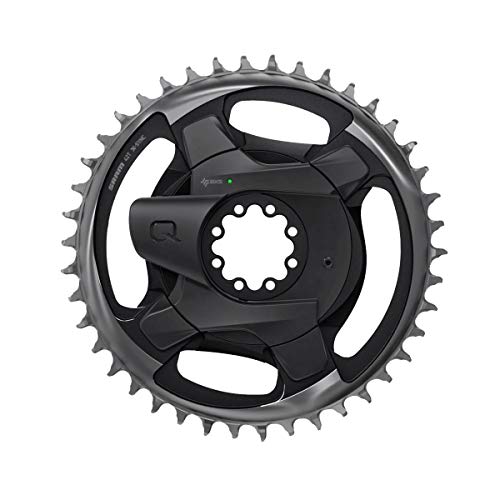
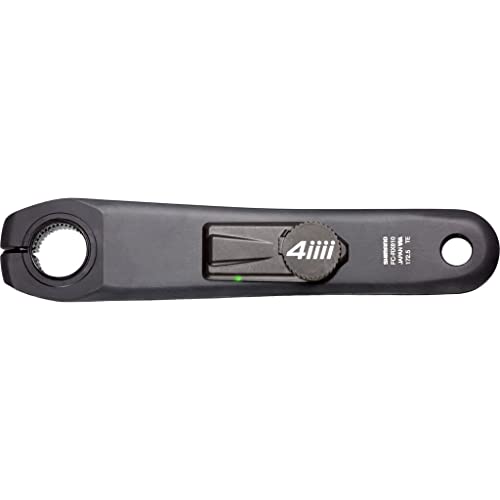
What is a Bike Powermeter?
A bike powermeter is a device that measures the power output of a cyclist while riding. It provides accurate and objective data on how much power you are generating, making it an essential tool for training, racing, and improving your cycling performance. Let’s dive into the details to understand how it works and why it’s important.

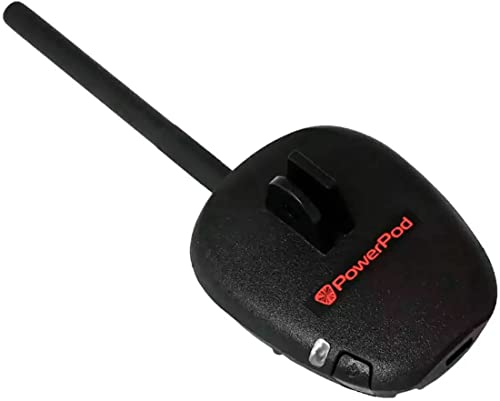
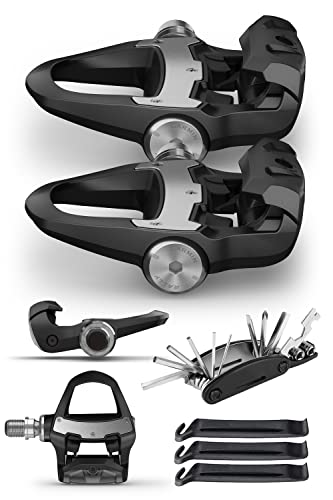
How does it work?
A powermeter measures the force that you apply to the pedals and calculates the power output in watts. It uses advanced technology to collect data in real-time, providing you with precise information about your cycling performance. There are different types of powermeters available, each with its own method of measurement:
- Strain Gauge Powermeters: These powermeters use strain gauges that are placed in various parts of the bike, such as the crankset, pedals, or rear hub. The strain gauges measure the deformation caused by the force you apply while pedaling, and this data is used to calculate power output.
- Powermeter Pedals: These powermeters are built into the pedals themselves. They measure the force and angular velocity generated by your leg muscles as you pedal, and use this information to calculate power output.
- Crank-Based Powermeters: These powermeters are integrated into the crankset of the bike. They measure the torque you generate while pedaling and combine it with cadence data to calculate power output.
- Hub-Based Powermeters: These powermeters are built into the rear wheel hub. They measure the torque and rotational speed of the hub to calculate power output.
Why is it important?
A bike powermeter provides you with objective data that can guide your training and help you reach your cycling goals. Here are some key reasons why a powermeter is important:
- Accurate and consistent measurements: Unlike other metrics like heart rate or speed, power output is not influenced by external factors such as terrain or weather conditions. It provides a reliable and consistent measure of your effort, allowing you to track your progress over time.
- Training optimization: With a powermeter, you can precisely measure your effort during training sessions. This enables you to set specific training zones and targets based on your power output, helping you optimize your workouts for maximum efficiency and performance gains.
- Monitoring fatigue and recovery: Power data can also be used to monitor your fatigue levels and recovery. By tracking your power output over time, you can identify patterns and adjust your training accordingly to prevent overtraining and optimize your rest days.
- Race strategy: Powermeters are invaluable tools for racing. They allow you to pace yourself more effectively, ensuring that you don’t burn out too early or leave too much in the tank. By maintaining a consistent power output, you can maximize your performance and increase your chances of success.
Choosing the right powermeter
When choosing a powermeter, there are a few factors to consider:
- Compatibility: Make sure the powermeter is compatible with your bike’s drivetrain and accessories.
- Installation: Some powermeters require professional installation, while others can be easily installed at home. Consider your technical skills and choose accordingly.
- Price: Powermeters can range in price from a few hundred to several thousand dollars. Consider your budget and choose a powermeter that offers the features and reliability you need.
- Connectivity and data analysis: Look for powermeters that offer easy connectivity to your cycling computer or smartphone, and consider the data analysis capabilities of the accompanying software.
- Weight and aerodynamics: If you’re a performance-oriented cyclist, consider the weight and aerodynamic impact of the powermeter on your bike.
In conclusion, a bike powermeter is a valuable tool for any cyclist looking to improve their performance. By providing accurate and objective data on power output, it allows you to optimize your training, monitor your progress, and make informed decisions during races. Invest in a powermeter that suits your needs and start unlocking your full cycling potential.
Factors to Consider
When it comes to selecting a bike powermeter, there are several factors that you should take into consideration. These factors will help you make an informed decision and ensure that the powermeter you choose meets your specific needs as a cyclist. Let’s dive into the different aspects you should consider:
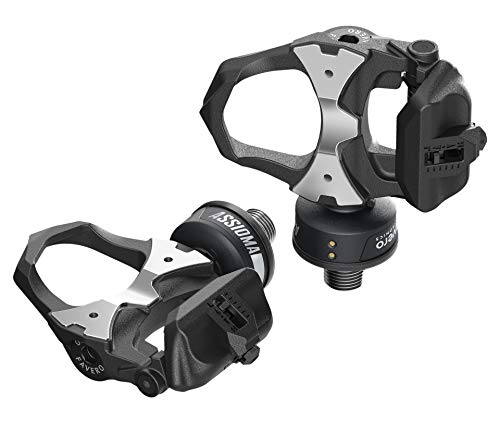
1. Types of Powermeters
There are various types of powermeters available on the market, each with its own set of advantages and disadvantages. It’s important to understand these options before making a decision. Here are some of the most common types:
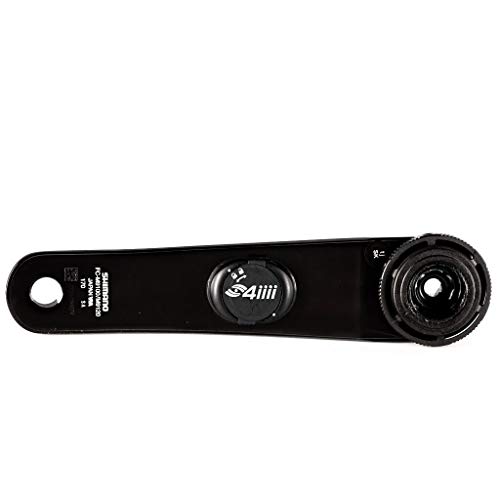
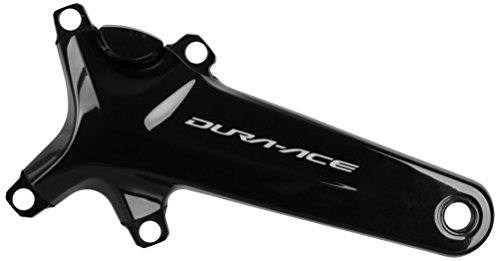
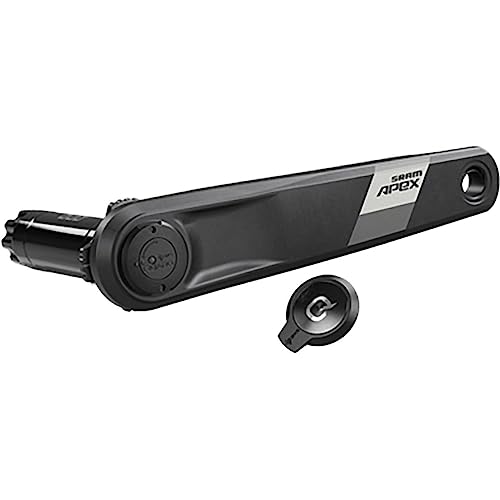
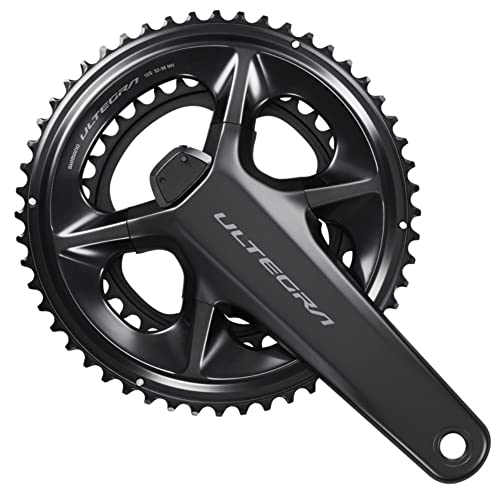
- Crank-based Powermeters: These powermeters are attached to your bike’s crankset and measure the force you apply to the pedals. They provide accurate and reliable data and are compatible with most bike setups.
- Pedal-based Powermeters: As the name suggests, these powermeters are integrated into the pedals. They offer ease of installation and can be easily transferred between bikes. However, they tend to be more expensive than other options.
- Hub-based Powermeters: These powermeters are integrated into the rear hub of your bike. They provide accurate data, but they require a bit more effort to install and may limit your wheel options.
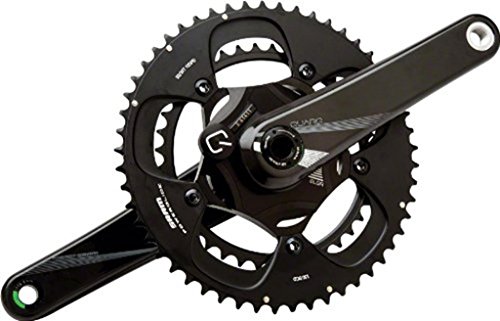
- Spider-based Powermeters: These powermeters are installed on the crank’s spider and measure the force applied to the chainrings. They offer a wide range of compatibility with different cranksets, but they tend to be pricier.
Consider your specific cycling needs, budget, and bike setup to determine which type of powermeter suits you best.
2. Compatibility with Your Bike
Before making a purchase, ensure that the powermeter you choose is compatible with your bike. Factors to consider include:
- Bike Type: Make sure the powermeter is suitable for your road bike, mountain bike, or any other type of bike you ride.
- Crankset Compatibility: Check if the powermeter is compatible with your crankset and bottom bracket. Some powermeters are only compatible with specific brands or models.
- Wireless Connectivity: Determine if the powermeter can connect wirelessly to your cycling computer or smartphone via Bluetooth or ANT+ technology.
3. Accuracy
Accuracy is crucial when it comes to powermeter readings. Look for a powermeter that offers consistent and reliable data. Consider the following:
- Precision: Look for a powermeter that has a high level of precision, minimizing any potential discrepancies in the power measurements.
- Calibration: Check if the powermeter requires regular calibration to maintain accuracy and consider how easy or convenient the calibration process is.
4. Price
Powermeters come in a wide range of prices, so it’s essential to set a budget before you start shopping. Consider the following:
- Value for Money: Compare the features, quality, and accuracy of different powermeters to determine if the price aligns with the benefits they offer.
5. Additional Features
Some powermeters come with additional features that may be important to you as a cyclist. Consider the following:
- Battery Life: Check the battery life of the powermeter, especially if you plan on embarking on long rides or multi-day tours.
- Water Resistance: If you frequently ride in wet conditions or plan to use the powermeter off-road, consider a model that offers water resistance.
- Data Compatibility: Ensure that the powermeter is compatible with your preferred cycling software or apps, allowing you to easily analyze and track your performance.
Now that you have a better understanding of the factors to consider when selecting a bike powermeter, you can make an informed decision based on your specific needs and preferences. Happy cycling!
Popular Bike Powermeters
In the world of cycling, powermeters have become an essential tool for serious cyclists looking to improve their performance and track their progress. These devices measure the power output generated while pedaling, providing valuable data for training, racing, and overall fitness assessment. With a wide range of options available in the market, it can be overwhelming to choose the right powermeter for your needs. In this blog section, we will explore some of the most popular bike powermeters, their features, pros and cons, and how they cater to different types of cyclists.
1. Garmin Vector 3
The Garmin Vector 3 powermeter is a pedal-based system that offers accurate and reliable power measurements. Here’s what makes it a popular choice among cyclists:
- Easy installation: The Vector 3 powermeter can be installed on any bike with minimal hassle.
- Dual-sensing capability: It measures power independently from both pedals, providing precise left and right power balance data.
- Wireless connectivity: With ANT+ and Bluetooth compatibility, the Vector 3 seamlessly connects to your cycling computer or smartphone.
- Cycling dynamics: This powermeter also provides insights into your cycling dynamics, including cadence, left/right balance, and even pedal smoothness.
- Battery life: The Vector 3 boasts a battery life of up to 120 hours, ensuring you won’t run out of power during your long rides.
2. PowerTap P2
The PowerTap P2 powermeter is another popular choice among cyclists, known for its accuracy and ease of use. Let’s dive into its key features:
- Pedal-based design: The P2 powermeter is also pedal-based, making it simple to swap between bikes.
- Advanced power measurement: It provides accurate power measurements with a high sampling rate of 1,000 times per second, ensuring reliable data for your training sessions.
- Dual-band technology: The P2 supports both ANT+ and Bluetooth Smart connectivity, allowing seamless integration with various cycling devices.
- Easy maintenance: With no external pods or components, the P2 powermeter is low maintenance, making it an attractive option for cyclists seeking simplicity.
3. SRM Origin
The SRM Origin powermeter has been a trusted name in the cycling industry for many years, valued for its robustness and accuracy. Here are its notable features:
- Crank-based powermeter: The SRM Origin is installed directly on the crank, providing precise and consistent power measurements.
- High accuracy: Known for its reliability, the SRM Origin offers excellent accuracy and consistency, making it a favorite among professional cyclists.
- Customizable: The powermeter allows customization options such as different crank lengths and chainring combinations to suit individual preferences.
- Wired connectivity: Unlike some other powermeters, the SRM Origin uses a wired connection, ensuring a secure and uninterrupted data transfer.
Comparing the Popular Bike Powermeters
To summarize the key features and benefits of these powermeters, here’s a comparison table:
| Powermeter | Installation | Connectivity | Data Features | Battery Life |
|---|---|---|---|---|
| Garmin Vector 3 | Pedal-based | ANT+ and Bluetooth | Dual-sensing | Up to 120 hours |
| PowerTap P2 | Pedal-based | ANT+ and Bluetooth | Advanced measurement | Up to 80 hours |
| SRM Origin | Crank-based | Wired | High accuracy | Up to 1,500 hours |
Each powermeter has its own strengths and caters to different cycling needs. Consider your training goals, budget, and preferences when choosing the powermeter that best suits you.
Investing in a powermeter can greatly enhance your cycling performance and help you reach your fitness goals. Whether you’re a professional cyclist or a dedicated enthusiast, these popular bike powermeters are designed to provide accurate data, allowing you to optimize your training and track your progress effortlessly. So, choose the one that aligns with your needs and get ready to take your cycling to the next level!
Making an Informed Decision
In conclusion, we’ve learned that selecting the right bike powermeter is key to enhancing our cycling performance. After evaluating various factors, we suggest choosing a powermeter that matches our cycling objectives and financial resources. It’s important to prioritize accuracy, compatibility, price, and additional features when making our decision. By doing so, we can ensure that we find the powermeter that suits our specific needs and helps us achieve our cycling goals. Happy riding!