How often should you lubricate a bike chain?
In this step-by-step guide, we will explore the question of how often you should lubricate your bike chain. We all know that maintaining a well-lubricated chain is essential for smooth and efficient cycling. However, it can be challenging to determine the right frequency for lubrication. This guide aims to provide a clear and concise answer to this common question, ensuring that your bike chain stays in optimal condition for a longer lifespan. So, let’s dive in and learn how to keep our bike chains well-lubricated!
Smooth Rides with Top Picks

![Clenzoil Chain & Sprocket Bike 4 oz. Bottle | Cleaner Lubricant Protectant [CLP] | Bike Chain Cleaner + Chain Lube in One | Wet Lube Application, Dry Lube Performance](https://m.media-amazon.com/images/I/31UhXqAIqeL.jpg)

Step 1: Gather the necessary materials
Before starting, gather the necessary materials: chain lubricant, a clean rag or cloth, and a bike stand or a secure place to elevate the bike. This will ensure that you have everything you need to properly maintain your bike’s chain. First, find a suitable chain lubricant that is specifically designed for bicycles. Next, locate a clean rag or cloth that you can use to wipe off any excess lubricant or dirt from the chain. Finally, make sure you have a bike stand or a secure place where you can elevate the bike to a comfortable working height.

Step 2: Clean the bike chain
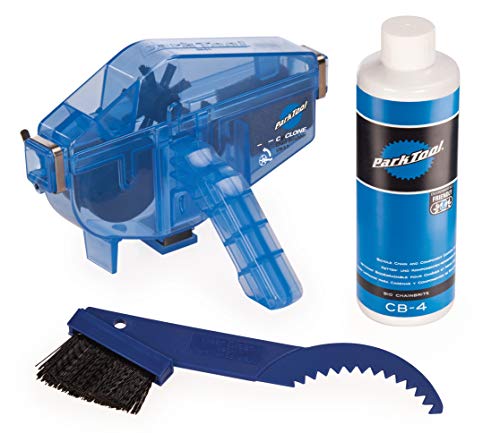
To clean the bike chain, grab a clean rag or cloth and start wiping off any dirt, grime, or old lubricant that may have accumulated. Make sure you thoroughly clean the entire chain to ensure optimal performance. For example, you can use the cloth to wrap around the chain and move it back and forth, removing any debris in the process. The chain should be completely clean and free from any residue before applying fresh lubricant.
Step 3: Apply lubricant to the chain
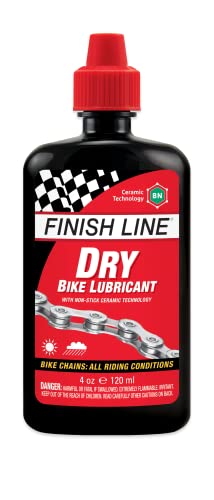
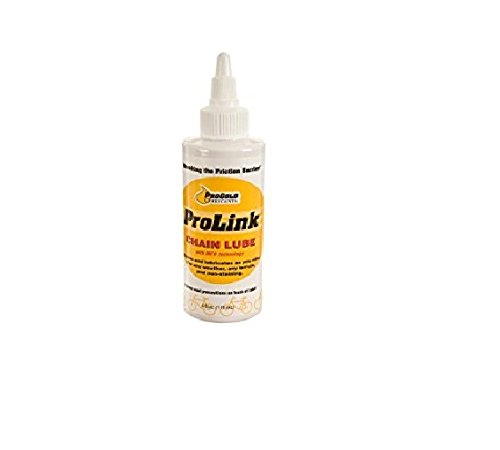
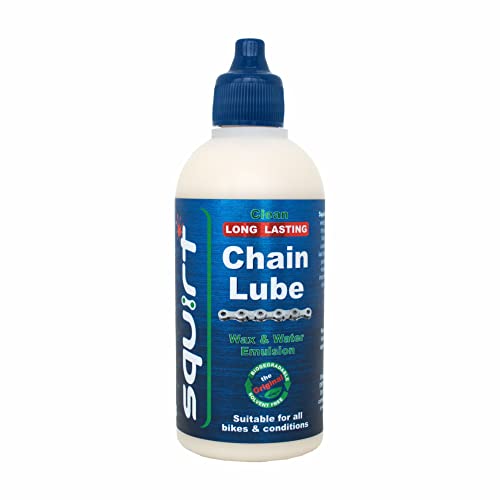
To apply lubricant to the chain, hold the chain lubricant bottle and squeeze out a small amount of lubricant onto each individual chain link. Make sure to cover the entire length of the chain. Next, rotate the pedals gently to help spread the lubricant and ensure it is evenly distributed. This will help to reduce friction and keep your chain running smoothly.
Step 4: Let the lubricant sit
Allow the lubricant to sit on the chain for a few minutes to penetrate and provide adequate lubrication. This will ensure that the lubricant reaches all the nooks and crevices of the chain, resulting in smoother and more efficient performance. For example, after applying the lubricant, you can let it sit for about 5 minutes while you attend to other tasks or prepare for your ride. By giving the lubricant enough time to work its magic, you’ll maximize its effectiveness and prolong the lifespan of your chain.
Step 5: Wipe off excess lubricant
To ensure optimal performance and longevity of your chain, it’s important to wipe off any excess lubricant. Here’s how you can do it:
- Grab a clean rag or cloth.
- Gently run the cloth along the chain, focusing on the areas where you applied the lubricant.
- Make sure to remove any visible residue or excess lubricant.
- Be thorough in your wiping to prevent dirt and debris from sticking to the chain.
- By removing the excess lubricant, you’ll help maintain a cleaner chain and prevent premature wear and tear.
Remember, a clean and properly lubricated chain is key to a smooth and efficient cycling experience. Happy riding!


Step 6: Check for proper lubrication
- Begin by rotating the pedals of your bike a few times to check the smoothness and quietness of the chain movement.
- If you notice any areas that feel dry or make noise, grab your lubricant and apply a little more to those spots.
- After applying the lubricant, rotate the pedals again to distribute the lubricant evenly and ensure a smooth and quiet chain motion.
- Repeat the process of checking and applying lubricant until the chain moves smoothly and quietly throughout its full rotation.
Step 7: Reinstall the chain if necessary
Reinstall the chain by carefully following the manufacturer’s instructions. Ensure that you align the chain properly with the gears and sprockets, and then secure it in place using the appropriate tools or fastenings. Double-check that the chain is properly tensioned and moves smoothly before continuing with any further steps.
Step 8: Repeat as needed
To determine how often to lubricate your bike chain, take into account the weather and riding conditions. As a general rule, apply lubricant every 100-200 miles or when the chain feels dry or makes noise.
Step 9: Maintain cleanliness and regular maintenance
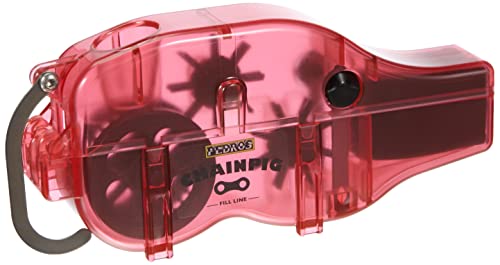
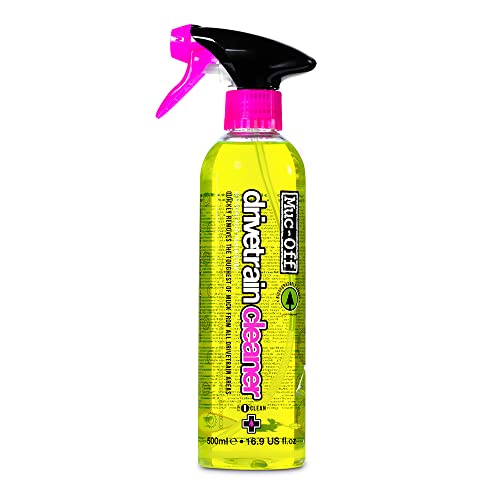
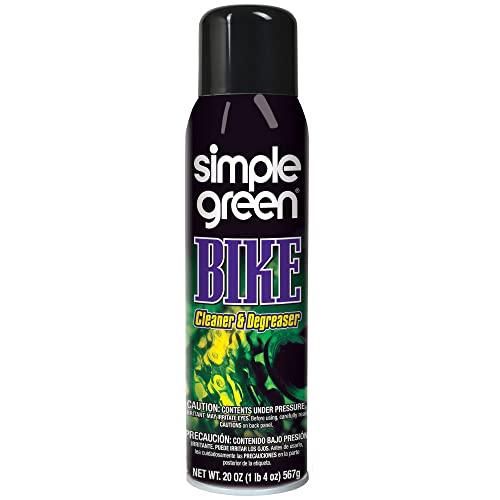
To keep the bike chain clean, regularly wipe off dirt and grime. Start by spraying a degreaser onto the chain and using a brush or rag to scrub away any buildup. Then, rinse the chain with water and dry it thoroughly before applying a lubricant. As for other bike components, regularly check the brakes for wear and adjust them if necessary. Inspect the tires for any cuts or punctures, and inflate them to the recommended pressure. Lastly, keep an eye on the gears and derailleurs, ensuring they are properly aligned and functioning smoothly.
Keeping your bike chain smooth
So, to sum it up, it’s important to lubricate your bike chain regularly to ensure it runs smoothly and quietly. By following the steps we’ve mentioned and keeping your chain clean, you’ll not only extend its lifespan but also enjoy a better ride. Happy cycling!
What you’ll need


Keeping your chain smooth
Easy Steps to Keep Your Bike Chain Running Smoothly
- Gather the necessary tools: Start by getting the required materials for the task, which usually include a bike chain lubricant, a clean cloth or rag, and a brush or toothbrush for cleaning the chain if needed
- Clean the chain: Before applying lubricant, it’s essential to remove any dirt, debris, or old lubricant from the chain. You can do this by using a cloth or brush to wipe down the chain, ensuring it is clean and free of grime
- Apply the lubricant: Once the chain is clean, apply the lubricant generously and evenly along the entire length of the chain. It’s best to hold the lubricant bottle close to the chain while rotating the pedals backward to allow the chain to pass through the lubricant
- Let it soak: After applying the lubricant, give it some time to penetrate the chain and reach the moving parts. It’s recommended to let the lubricant soak in for a few minutes to ensure proper lubrication
- Wipe off excess: After the lubricant has had enough time to penetrate the chain, use a clean cloth or rag to wipe off any excess lubricant. This step helps prevent the accumulation of dirt and grime on the chain
- Remember, regular maintenance and lubrication of your bike chain can help extend its lifespan and ensure smooth and efficient rides
Keeping Your Bike Chain Running Smoothly
Should we apply lubricant to each individual chain link?
No, it is not necessary to apply lubricant to each individual chain link. When it comes to lubricating a chain, it is generally sufficient to apply lubricant to the chain as a whole. By applying the lubricant evenly and generously to the chain while rotating it, you can ensure that the lubricant seeps into the gaps between the links and effectively coats them. This will help reduce friction, prevent rust, and prolong the life of the chain. Remember to wipe off any excess lubricant after applying to prevent attracting dirt and grime.
How much lubricant should we apply to our bike chain?
When it comes to applying lubricant to your bike chain, it’s important to find the right balance. Applying too little lubricant can lead to increased friction and wear, while applying too much can attract dirt and create a messy buildup.
A general guideline is to apply a thin, even layer of lubricant along the entire length of the chain. You can do this by backpedaling the chain and squeezing a small amount of lubricant onto the chain as it moves. As you continue to backpedal, use a clean cloth to wipe off any excess lubricant.
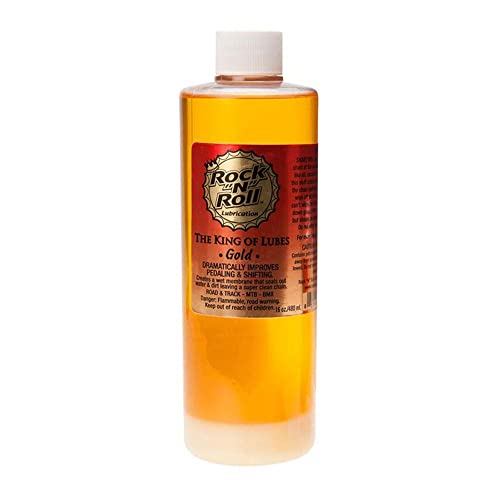
Remember, the type of lubricant you use also plays a role. Wet lubricants are better suited for wet or rainy conditions, while dry lubricants are ideal for dry and dusty environments. Follow the specific instructions provided by the lubricant manufacturer for the best results.
Ultimately, finding the right amount of lubricant for your bike chain may require some experimentation. Regularly inspect your chain, listen for any unusual noises, and adjust your lubrication routine accordingly.
Can we use the same lubricant for both mountain bikes and road bikes?
Yes, we can use the same lubricant for both mountain bikes and road bikes. Most lubricants are designed to be versatile and can be used on various types of bicycles. However, it’s important to consider the specific conditions in which each bike is ridden. Mountain bikes are often exposed to more dirt, mud, and water, so using a heavier or more durable lubricant might be beneficial. Road bikes, on the other hand, tend to require a lighter lubricant to reduce friction and increase efficiency. Therefore, while the same lubricant can be used, it’s always a good idea to choose one that is suitable for the specific needs of each bike.
How often should we lubricate our bike chain?
When it comes to lubricating our bike chain, it’s generally recommended to do it every 100-200 miles, or every 2-4 weeks, depending on how often we ride and the conditions we encounter. Regular lubrication helps prevent rust, reduces friction, and extends the lifespan of our bike chain. However, it’s always a good idea to check our chain regularly and lubricate it as needed, especially if we ride in wet or dirty conditions. Remember, a well-lubricated chain improves our biking experience and ensures smoother and more efficient rides.